

Winter-Proofing Checklist: How Firefighters Can Keep Gloves and Boots Working in the Cold
Posted by Carlos Lopez on Feb 18th 2026
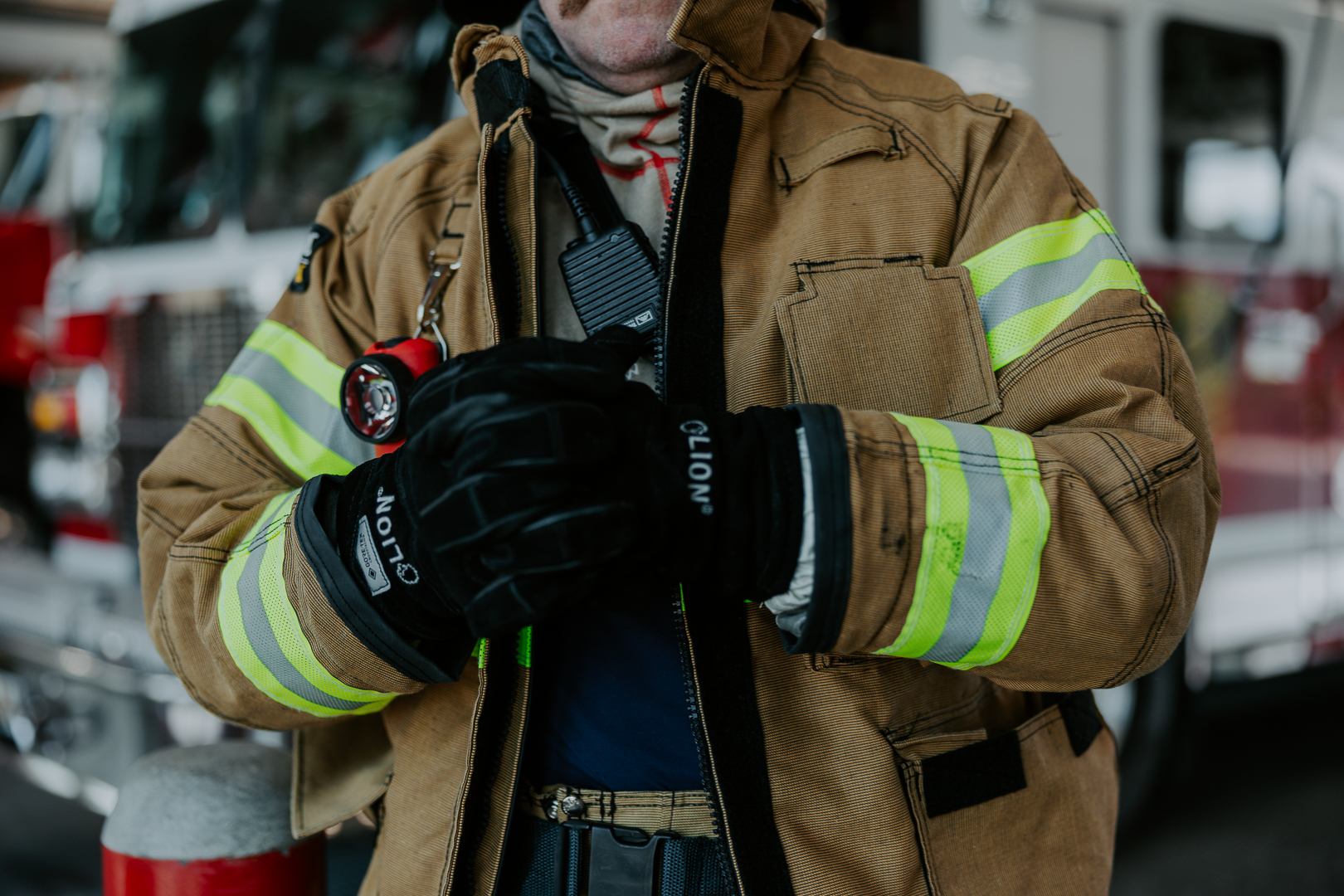
Anyone who’s worked a winter shift as a firefighter knows the feeling, you pull on your gloves and they’re stiff as a board, or you step into your boots only to find they’re still damp from the last call. In cold weather, even minor gear issues can quickly become major problems.
I learned early on that if my gloves weren’t fully dry at the start of a shift, they’d be frozen solid by the middle of the first call. Once that happens, you’re battling your gear in addition to handling the job itself.
This scenario is all too common when the temperature drops. Firefighting is physically demanding enough without the added challenge of battling the elements inside your own protective equipment. That is why many seasoned firefighters make drying gear a non-negotiable part of their routine, even after long shifts. Taking the extra time to properly dry gloves and boots can mean the difference between functional gear and frozen equipment the next day.
In this guide, we will explore practical, proven strategies for maintaining your essential extremities protection—gloves and boots—during the harshest winter months. We will cover proper drying techniques, inspection routines, and the critical habits that keep you safe and operational when the temperatures drop.
The Reality of Cold Weather Operations
Winter fire grounds present unique challenges that go beyond slippery surfaces and frozen hydrants. The cold affects your gear's materials, flexibility, and insulation capabilities. When you add water to the mix, which is inevitable in our line of work, you create a recipe for rapid heat loss and equipment failure.
The "Freezing" Factor
Water conducts heat away from the body 25 times faster than air. If your boots are damp, your feet get cold faster. If your gloves are wet, your dexterity plummets. But in freezing temperatures, moisture does something worse: it expands and hardens.
A damp glove liner doesn't just feel cold; it can freeze into a rigid shape that makes gripping a nozzle or a tool handle nearly impossible. Cold weather makes wear and tear impossible to ignore. In the winter, every weak spot shows up. Frozen zippers, stiff leather, slick soles—you notice things real quick when it’s below freezing.
The Importance of Backup Gear
Having a backup pair of gloves or boots becomes invaluable in winter. I started keeping an extra set of gloves in my bag after a long cold incident where my first pair was soaked. Swapping them out brought feeling back into my hands almost immediately.
Investing in reliable products ensures you remain operational, even when conditions are at their worst. Consider structural boots and station boots built for winter such as the Lion Fire Hellfire Rubber 807-6003 Men's Insulated Felt Lined / Lug Sole Boot, Rocky Alpha Force 8" Zipper Composite Toe Boots, Under Armour Men's Expanse Reaper Waterproof Boots, Danner Resurgent Tactical 8" Waterproof Boots, and First Tactical Men's Aero-Tac 5" Waterproof Side-Zip Mid Boots. These boots offer the insulation, waterproofing, and traction required for demanding conditions.
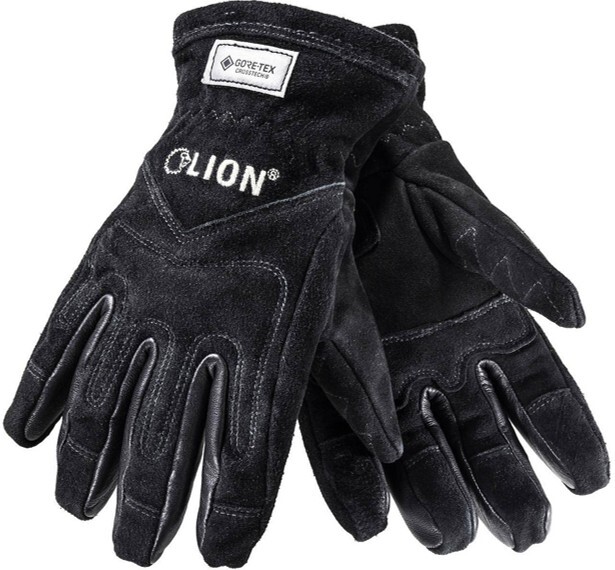
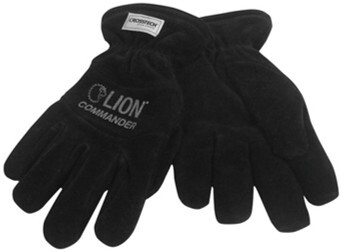
Similarly, reliable glove options like the LION V-Force Leather Structural Fire Gloves, Lion Commander ACE Structural Firefighting Gloves, and Rothco Cold Weather Insulated Gloves can provide additional protection and functional advantages during winter calls.
While not every department budget allows for duplicate sets of premium gear, investing in backup gloves or replacement liners is a proactive step to help ensure you aren’t left exposed for the remainder of a shift if your primary gear becomes saturated.
1. Start With Dry Gear: The Foundation of Readiness
Moisture is the enemy in cold conditions. Always begin your shift with fully dry gloves and boots. Even slight dampness can freeze quickly, reducing dexterity and comfort.
When selecting boots designed for demanding winter operations, consider these trusted options, each built with durability, insulation, and compliance in mind:
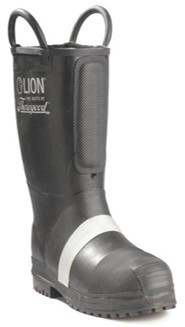
- Lion Fire Hellfire Rubber 807-6003 Men's Insulated Felt Lined / Lug Sole Boot: Provides robust insulation and lug sole traction for challenging environments.
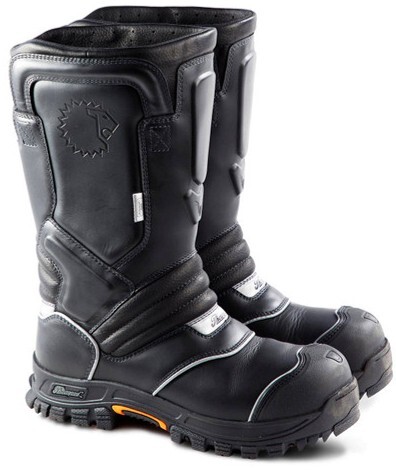
- Lion by Thorogood Women's QR14 NFPA Structural Leather Fire Boots: Engineered for NFPA compliance and tailored fit, delivering comfort and safety for women firefighters.
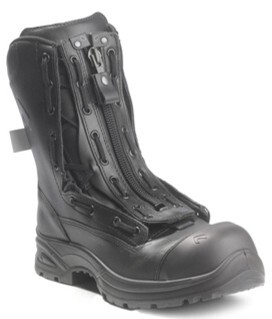
- Haix Airpower XR1 Pro Boots: Known for advanced breathability, waterproof design, and reliable support in hazardous conditions.
- HAIX 8" Airpower XR2 Waterproof Boots: Combines waterproof construction with ergonomic comfort for long shifts.
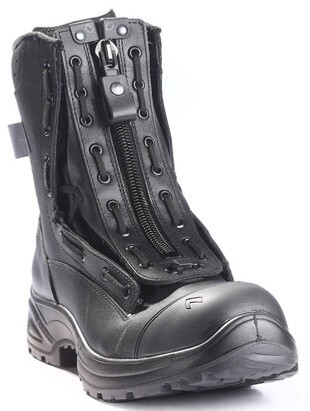
- HAIX Men's Black Eagle Safety 55 Mid Side-Zip NFPA Boots: Offers quick donning, outstanding protection, and certified performance.
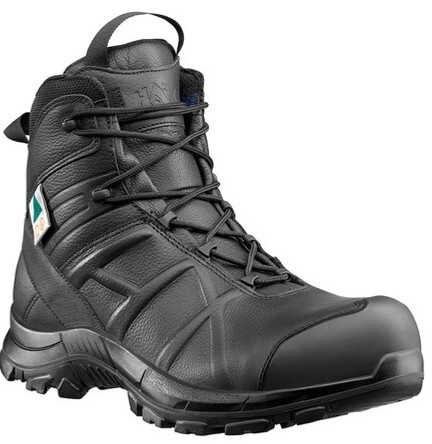
- Danner Resurgent Tactical 8" Waterproof Boots: Features rugged build quality and moisture management for mile-after-mile reliability.

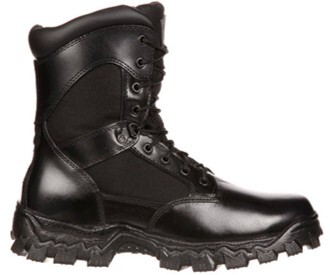
- Rocky Alpha Force 8" Zipper Composite Toe Boots: Blends safety toe protection and side-zip convenience, designed for quick response.
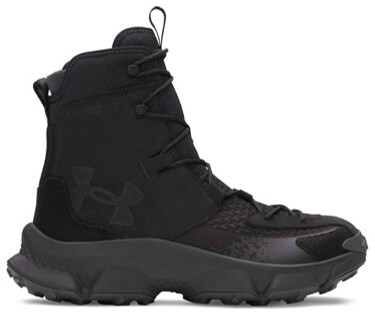
- Under Armour Men's Expanse Reaper Waterproof Boots: Delivers lightweight flexibility with dependable weatherproof materials.
- First Tactical Men's Aero-Tac 5" Waterproof Side-Zip Mid Boots: Focuses on mobility and rapid access, while ensuring full wet weather readiness.
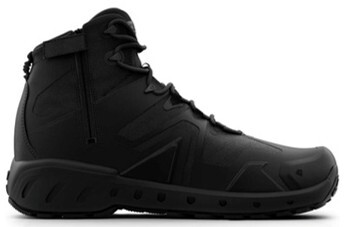
Each model is engineered with trusted insulation and moisture-resistant technology to keep you operational and comfortable in winter conditions.
Each of these models is engineered with reliable thermal insulation and moisture-resistant technology to help keep you dry and comfortable throughout your shift. For robust hand protection, high-performance gloves like the Rothco Cold Weather Insulated Gloves are trusted to maintain warmth even when conditions are critical.
It sounds simple, but the logistics of shift work often mean you are relieving someone who might have had a busy night, or you are returning to a second shift after a short break. Verifying dryness is not just about comfort; it is a safety check.
Checking for Hidden Moisture
Touch the outside of your leather boots; they might feel dry. But the internal liner is where sweat and condensation accumulate. Reach deep into the boot or glove to feel for dampness. If it feels cool to the touch compared to the room temperature, it likely holds moisture.
Starting with dry gear provides you with the maximum thermal insulation your gear is rated for. Damp insulation loses its loft and conductive properties, meaning the cold environment outside will reach your skin much faster.
2. Rotate Gear When Possible
If you have access to a backup pair of gloves or boots, rotate them during long or multi-day shifts. This allows damp gear time to dry and helps prevent freezing.
Rotation is particularly critical during prolonged extrication operations or defensive fire attacks where remaining stationary in wet, freezing conditions can quickly compromise gear. To maintain both readiness and safety, it’s essential to select boots engineered for winter reliability and NFPA compliance. Reliable options for rotation include the Lion by Thorogood Women's QR14 NFPA Structural Leather Fire Boots, Haix Airpower XR1 Pro Boots, HAIX 8" Airpower XR2 Waterproof Boot, and HAIX Men's Black Eagle Safety 55 Mid Side-Zip NFPA Boots. Each of these models offers durable waterproof protection, enhanced cold-weather insulation, and superior traction, ensuring you always have a trusted, functional pair available for demanding winter operations.
Similarly, having a spare set of gloves such as the LION V-Force Leather Structural Fire Gloves or Lion Commander ACE Structural Firefighting Gloves means you can maintain function and protection during demanding shifts.
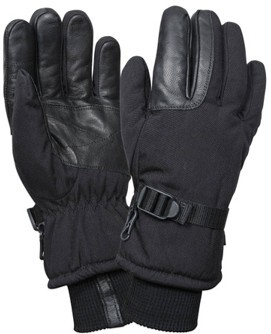
For robust hand protection, high-performance gloves like the Rothco Cold Weather Insulated Gloves are trusted to maintain warmth even when conditions are critical.
If you are running multiple calls in a shift at the station, place your used gloves and boots on the dryer immediately upon return and change into your backup set for the next call if your primary gear is not fully dry.
This practice extends the life of your gear. Continuous use without proper drying can accelerate the breakdown of fibers and protective materials, leading to more frequent replacements.
3. Use Proper Drying Methods
Drying methods are a lesson often learned the hard way. I tried rushing it once by putting my boots near a heater. They dried fast—but the leather cracked, and the soles warped. Never did that again.
Rubber and leather boots like the Lion Fire Hellfire and Rocky Alpha Force models benefit from steady air drying or the use of gear-approved dryers. Applying hasty heat can cause damage to waterproof membranes and insulation in specialized boots and gloves.
The Dangers of High Heat
Direct heat sources like radiators, space heaters, or putting gear too close to an engine exhaust might seem like a quick fix, but they damage the integrity of technical fabrics.
- Leather: High heat strips natural oils, causing leather to shrink, harden, and crack.
Best Practices for Drying
Instead, air-dry your high-investment boots and gloves—like Danner Resurgent or Viktos Operatus XP—using a well-ventilated area or a gear-approved drying rack:
- Open boots and gloves fully, removing insoles and liners if possible.
- Use fans or gear-specific dryers that circulate ambient or slightly warmed air.
- Place absorbent material such as newspaper inside footwear, changing as needed.
- Ensure gloves are fully outstretched so all layers can dry evenly.
4. Keep Liners in Good Shape
For gloves or boots with removable liners, take them out after each shift to dry separately. Make sure liners are fully seated before wearing them again to maintain insulation and fit. Several glove models offer removable or replaceable liners for ease of maintenance.
The liner serves as the last line of defense against cold. Inspect for thinning or wear, especially at fingertips and heels—replace as soon as degradation is noted to maintain safety and warmth.
Inspection and Re-Seating
When you remove liners to dry them, inspect them for thinning spots, especially at the fingertips and heels. These are high-friction areas that wear down first. When putting them back in, take the time to smooth them out completely. A wrinkled liner creates pressure points that can restrict circulation—and restricted circulation leads to cold extremities very quickly.
5. Condition Leather Regularly
Cold weather can dry out and crack leather. Use manufacturer-approved leather conditioners to keep gloves and boots flexible and water-resistant throughout the winter. Applying conditioner to boots like the Under Armour Men's Expanse Reaper, Rocky Alpha Force, and Danner Resurgent models will extend their service life and retain their critical protective function.
The Conditioning Routine
- Clean First: Never condition dirty gear. Use a soft brush and mild soap to remove soot, salt, and grime.
- Apply Correctly: Use a conditioner formulated for fire service gloves and boots—this is especially important for premium models where waterproof and fire-resistant properties are critical.
- Frequency: During winter, examine all leather boots and gloves weekly. If they lose their natural color or become stiff, condition them to restore flexibility and protection.
6. Manage Moisture During Calls
If conditions allow, shake off snow and ice between calls. Even quick steps like loosening boots during downtime can help reduce sweat buildup. Select boots like the First Tactical Men's Aero-Tac or Danner Resurgent for breathable yet waterproof options to minimize sweat accumulation. Likewise, high-performance gloves, such as the Rothco Cold Weather Insulated Gloves, facilitate better moisture management.
Reducing Internal Moisture
- Ventilation: When riding in the rig or during rehab, loosen your boots, especially those with side-zip designs, like the First Tactical Aero-Tac, to accelerate venting and drying.
- Wick it Away: Wear moisture-wicking socks and glove liners. Cotton holds moisture; switch to wool or synthetic blends for more effective moisture management.
- Exterior Maintenance: Use glove materials resistant to snow and wet environments, and brush off snow as soon as possible.
7. Store Gear Smartly
Keep gloves and boots in a warm, dry space when not in use. Avoid leaving them in cold rigs or lockers overnight where moisture can freeze. Storing advanced boots—like the Lion Fire Hellfire Rubber and Under Armour Expanse Reaper models—and high-performance gloves in climate-controlled lockers ensures they remain ready for the next shift.
The "Cold Soak" Effect
Boots with substantial insulation and water resistance, such as the Rocky Alpha Force and Danner Resurgent Tactical, benefit most from storage away from extreme cold, preserving their thermal properties and protecting against premature material breakdown.
- Station Storage: Ensure gear lockers for all gloves and boots are in heated areas.
- Transport: When bringing gear home, transport in insulated bags to avoid unnecessary exposure.
8. Inspect Before Every Shift
Check for stiff spots, cracking, frozen closures, or loss of traction on boot soles. Cold weather can worsen small issues quickly, so early detection is key. For boots such as the Under Armour Expanse Reaper and First Tactical Aero-Tac, examine side-zips and seams; for gloves, inspect insulation and grip surfaces.
The Winter Checklist
- Soles: Ensure that slip-resistant lug soles on boots such as Lion Fire Hellfire maintain deep, open treads for best traction.
- Stitching: On all glove models, routinely check for fraying and repair promptly.
- Hardware: Side-zip features on boots should move smoothly; lubricate zippers as needed to avoid freezing in the field.
9. Know When to Replace
And sometimes, winter makes it clear when gear has reached the end of the road. I kept telling myself my boots had one more season in them. But once my feet stopped staying warm, I knew it was time. Cold weather doesn’t give you much room for error.
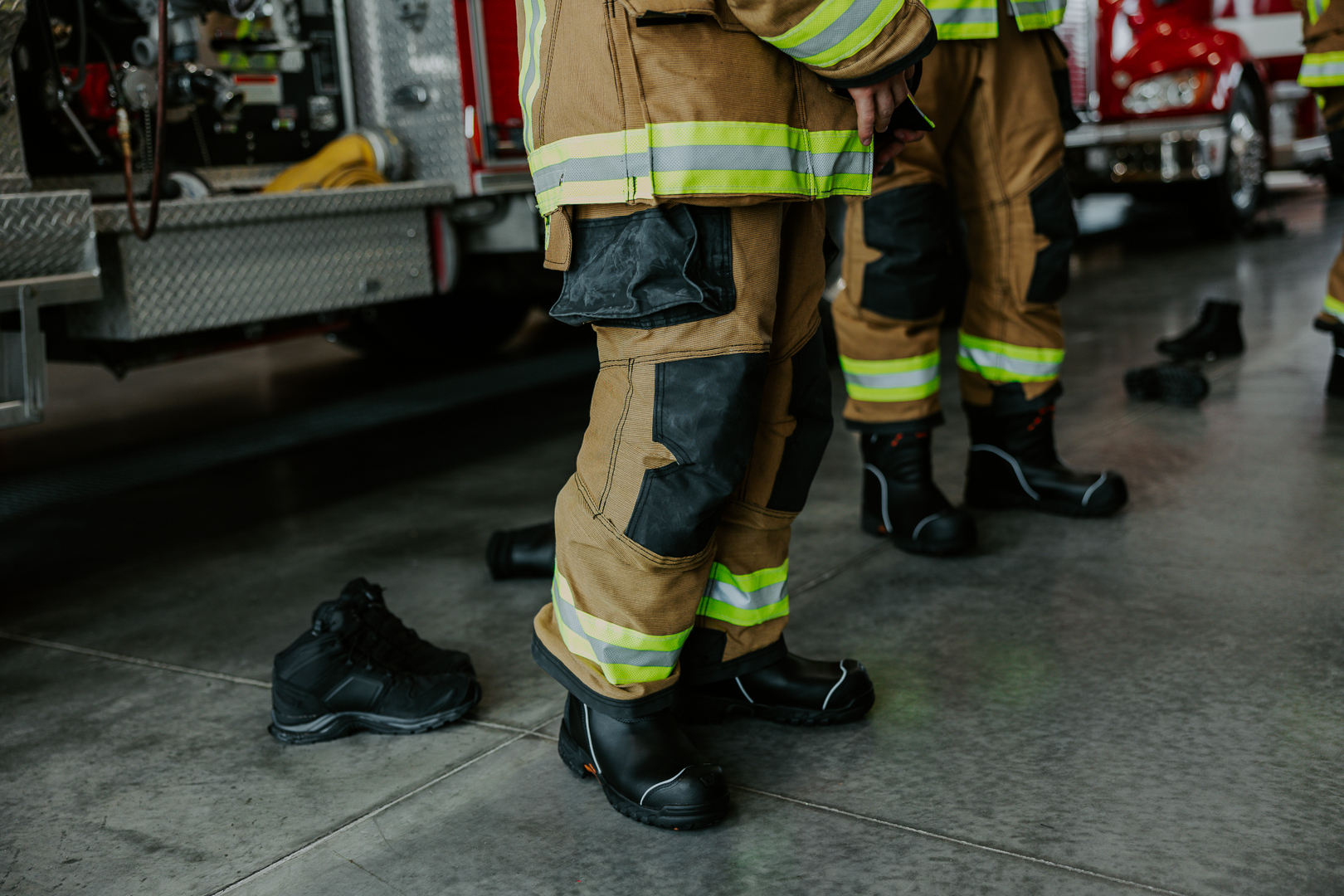
If gloves lose dexterity or boots no longer insulate properly despite care, it may be time for replacement. Modern, tested products offer outstanding protection and support for winter operations. Boots such as the Danner Resurgent Tactical 8" Waterproof Boots, Under Armour Men's Expanse Reaper Waterproof Boots, Rocky Alpha Force 8" Zipper Composite Toe Boots, and First Tactical Men's Aero-Tac 5" Waterproof Side-Zip Mid Boots deliver dependable insulation, slip-resistant outsoles, and waterproof performance for the most demanding cold-weather calls. The Lion Fire Hellfire Rubber 807-6003 Men's Insulated Felt Lined / Lug Sole Boot and Lion by Thorogood Women's QR14 NFPA Structural Leather Fire Boots provide robust heat resistance, superior comfort, and strong NFPA compliance for both male and female firefighters. For those prioritizing advanced engineering, the Haix Airpower XR1 Pro Boots, HAIX 8" Airpower XR2 Waterproof Boot, and HAIX Men's Black Eagle Safety 55 Mid Side-Zip NFPA Boots are purpose-built for challenging environments, offering outstanding thermal regulation, robust waterproofing, and long-term durability through any winter scenario.
When it comes to firefighter gloves, trusted options are designed to meet the demands of those operating in harsh climates. Upgrading to these models helps ensure your gear delivers the insulation, dexterity, and compliance necessary for operational safety and adherence to NFPA standards.
Signs of End-of-Life Gear
- Compressed Insulation: If your boots feel hard underfoot or gloves feel thin, upgrade to newer models with robust thermal protection and modern weather barriers.
- Persistent Leaks: Boots like the First Tactical Aero-Tac, Danner Resurgent, and Haix Airpower XR1 Pro are engineered to maintain water resistance under repeated exposure.
- Cracked Leather: Any deep cracks in boots or gloves signal the need for compliant, high-quality replacements—like those listed above—to maintain safety and reliable performance.
The Psychological Edge of Warm Gear
There is a mental component to this maintenance as well. When your feet are freezing and your hands are numb, your situational awareness degrades. You become focused on your personal discomfort rather than the changing conditions of the fire ground.
By maintaining your gloves and boots and choosing equipment with proven reliability—such as those highlighted above—you preserve your mental bandwidth. You ensure your equipment supports you fully, allowing your attention to remain on the mission and your crew, not on thermal discomfort.
Advanced Moisture Management
Selecting the right gear goes beyond fit and durability—it’s about choosing equipment that actively supports your safety and comfort in the field. LION’s lineup of firefighter boots, engineered to integrate seamlessly with their turnout gear, offers a notable example through the use of IsoDri® technology.
IsoDri® is a multi-layered system designed specifically to address the unique moisture challenges firefighters face on every call. By pairing a water-repellent outer shell with moisture-wicking inner layers, IsoDri® creates a protective barrier that blocks external water from penetrating while efficiently drawing sweat away from the body. This innovation keeps your gear lighter, drier, and more breathable, enhancing comfort throughout your shift.
The benefits are clear:
- Reduced Water Absorption: By preventing saturation, the gear remains lighter and less cumbersome, even during prolonged, water-intensive operations.
- Compression Burn Prevention: Minimizing trapped moisture lowers the risk of dangerous compression burns—critical during high-heat exposures.
- Faster Drying Time: Gear treated with IsoDri® dries quickly between incidents, supporting readiness for consecutive calls and helping reduce downtime.
Additionally, by maintaining a drier microclimate against the skin, IsoDri® technology helps decrease fatigue and heat stress. This translates directly into more effective performance and long-term well-being on the fire ground. For firefighters seeking dependable solutions, boots and turnout gear equipped with IsoDri® technology offer an advanced level of moisture management engineered for demanding environments.
Lessons Learned: Experience is the Best Teacher
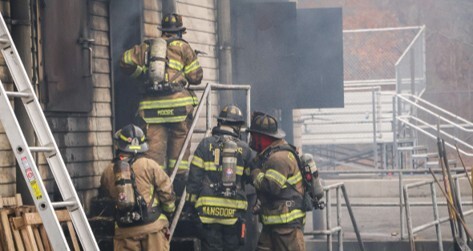
At the end of the day, keeping gloves and boots working in cold weather isn’t about perfection—it’s about small habits built from experience. The routines firefighters develop in winter often come from moments they’d rather not repeat, and those lessons are what keep gear—and firefighters—ready for the next call.
We maintain our saws, our pumps, and our trucks with rigorous discipline because we know that mechanical failure on the fire ground is not an option. Your personal protective equipment deserves the same level of dedication. Your gloves and boots are the interface between you and the environment. If they fail, you are ineffective.
Take the time this winter to inspect, dry, and condition your essential firefighter tools and gear. It is a small investment of time that pays dividends in safety, comfort, and performance when the alarm rings and the temperature is dropping.