

A Day in the Life of a Firefighter
Posted by Carlos Lopez on Dec 9th 2025
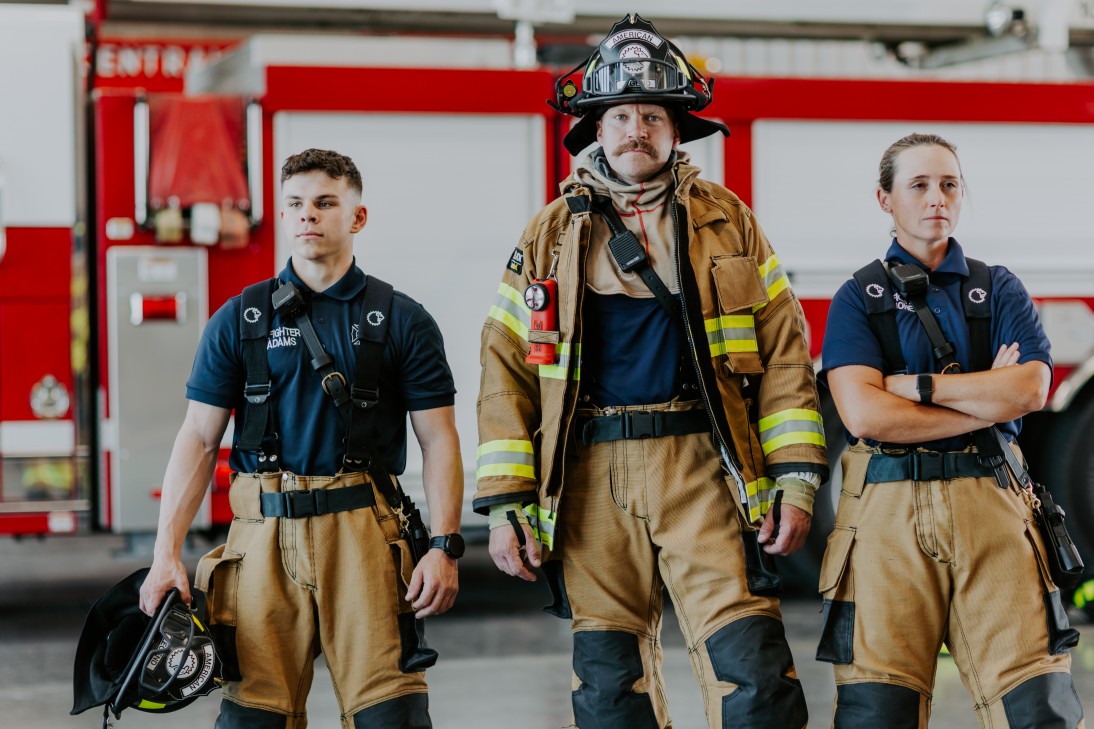
The first sound is a jolt. Not a gradual waking, but a sudden, metallic clamor that slices through the quiet of the firehouse. The tones drop, and with them, any trace of slumber. Your heart hammers against your ribs, a frantic drumbeat matching the urgency in the dispatcher's voice. In an instant, you are on your feet. Boots hit the floor, gear is pulled on with practiced speed, and the engine roars to life. This is the moment where training, instinct, and adrenaline converge. It’s the start of another call, another unknown challenge in a day that is anything but typical.
As a firefighter, my life is measured in these moments of high-stakes readiness. This isn't just a job; it's a commitment that reshapes your understanding of time, teamwork, and human resilience. For those looking in, it might seem like a career of extremes—long periods of calm punctuated by intense, life-altering events. The reality is more complex. It's a continuous cycle of preparation, response, and recovery. In this account, you will walk through a 24-hour shift, from the structured start at the station to the unpredictable nature of emergency calls, and gain a deeper understanding of the dedication this profession requires.
Starting the Day at the Firehouse
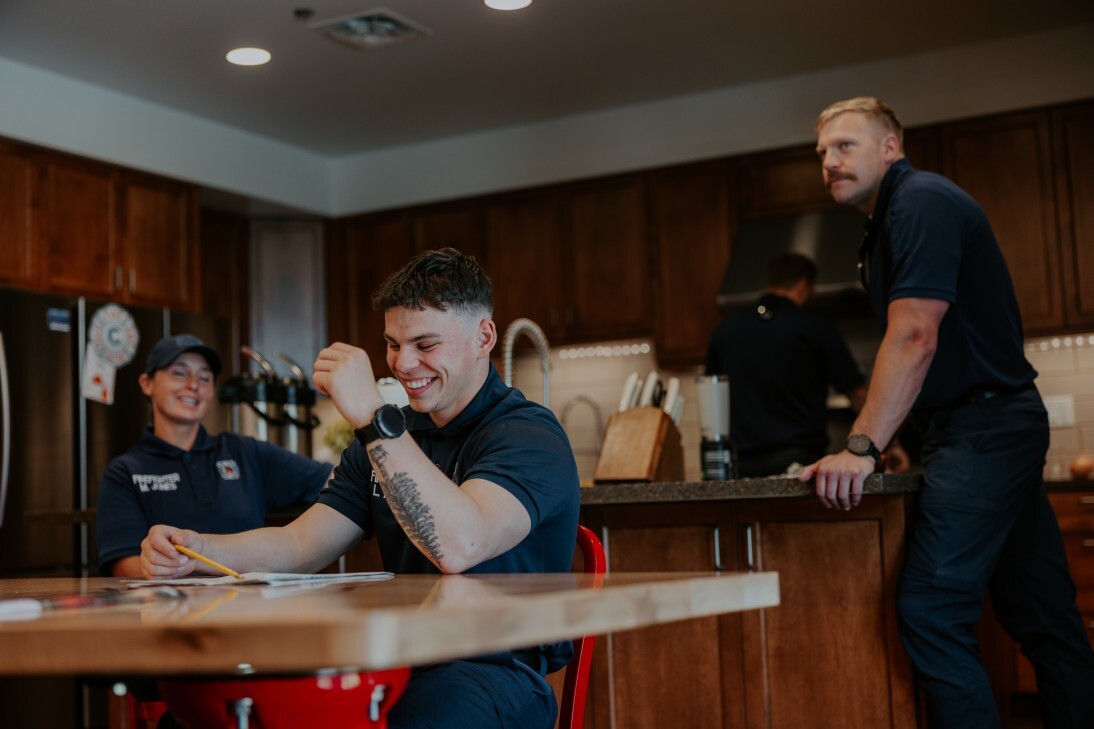
A shift begins long before the first alarm sounds. Arriving at the station feels like coming home to a second family. The first order of business is the morning briefing, where the off-going shift hands over the reins. We discuss any incidents from the previous 24 hours, equipment issues, and pertinent information for our district. It’s a formal transfer of responsibility, ensuring continuity of service and operational awareness.
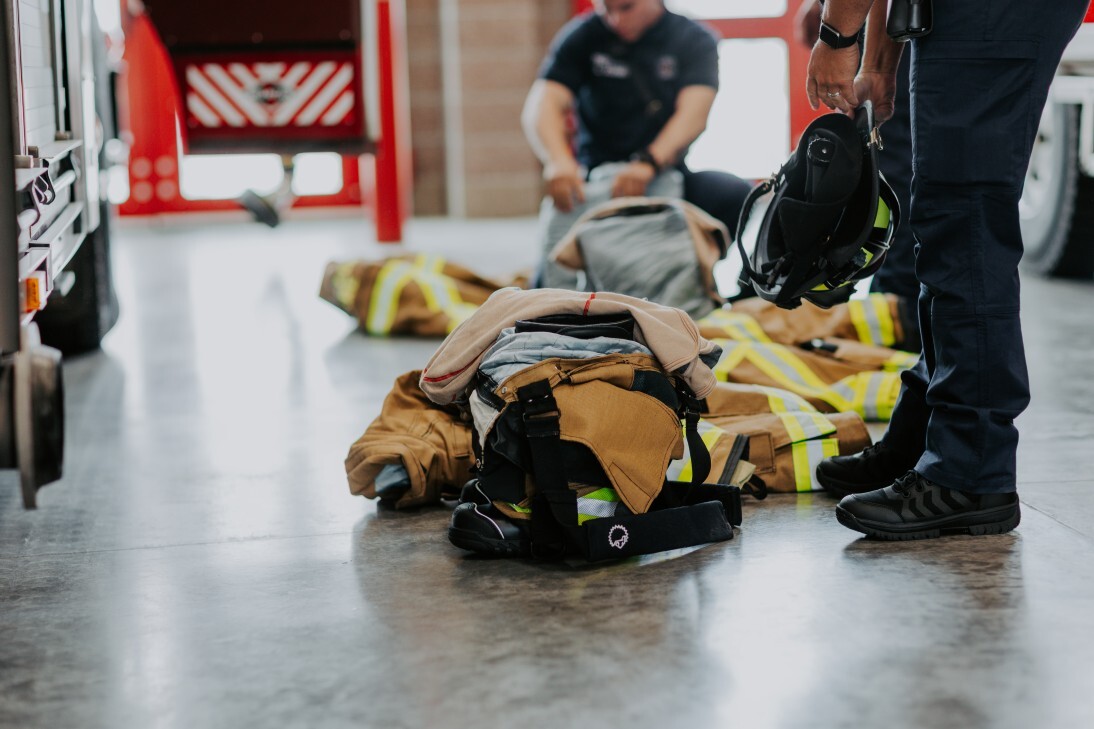
Following the briefing, the most critical task of the morning begins: gear and apparatus inspection. Every piece of equipment, from the self-contained breathing apparatus (SCBA) to the hydraulic rescue tools, is meticulously checked. My personal protective equipment (PPE)—turnout coat, pants, helmet, gloves, and firefighting boots—is inspected for any signs of wear or damage. This gear is my shield against the hazards we face, and its reliability is non-negotiable. We check the engine, truck, and ambulance, confirming fluid levels, testing sirens and lights, and ensuring every compartment is stocked and organized. This process is a foundational element of our readiness. Complacency has no place here; our lives, and the lives of those we serve, depend on this diligence.
Beyond the mechanical checks, there's a mental preparation that takes place. The camaraderie in a firehouse is a powerful force. We share coffee, stories, and a sense of shared purpose. This bond is what allows us to operate as a seamless unit under immense pressure. We trust each other implicitly, knowing that the person next to us is just as prepared and committed. This brotherhood and sisterhood are the bedrock of the fire service.
The First Call: Responding to Emergencies

The calm can shatter at any moment. When the station tones drop, a surge of adrenaline sharpens the senses. There’s no hesitation. We move with a practiced urgency, donning our turnout gear in under a minute before climbing into the apparatus. The bay doors roll up, and we are on the road, lights flashing and sirens clearing a path.
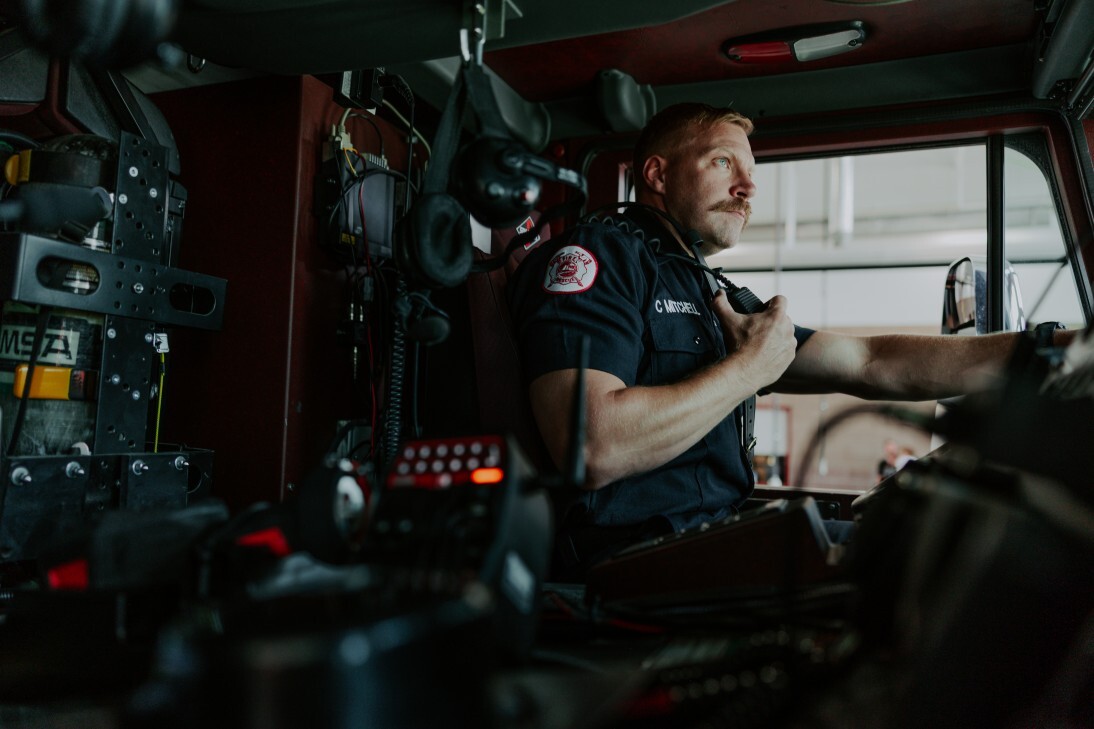
En route, the organized chaos continues. The officer receives updates from dispatch, relaying critical information: the nature of the call, the address, any known hazards. We listen intently, mentally rehearsing our roles. Is it a structure fire? A multi-car accident on the highway? A medical emergency? Each call type demands a different strategy. My mind races through potential scenarios, anticipating the firefighter tools and equipment we’ll need and the actions I’ll take upon arrival. This disciplined focus is essential to managing the emotional intensity of responding to an emergency.
At the scene, training takes over. For a structure fire, the first-arriving engine is tasked with establishing a water supply and initiating an attack on the fire. As a firefighter on that crew, my job might be to pull the primary attack line and advance it into the building, facing intense heat and blinding smoke. For a medical call, the pace is different but no less urgent. We provide immediate care, stabilizing a patient before the ambulance can transport them. In a rescue operation, we might use the "Jaws of Life" to extricate a trapped victim from a vehicle, a delicate and precise process where every second counts. The emotional weight of these moments is immense. We witness trauma and tragedy, but our training provides a framework to perform our duties effectively, pushing aside emotion until the job is done.
Back at the Station: Resetting and Recharging
Returning from a call doesn't mean the work is over. In fact, some of the most crucial work happens now. The "reset" phase is vital for ensuring we are ready for the next alarm. Contaminated turnout gear is carefully cleaned and decontaminated to remove carcinogens and other toxins. SCBA bottles are refilled, and tools are cleaned, refueled, and returned to their designated spots on the apparatus. Hoses are re-racked, and any used medical supplies are restocked.
Once the equipment is back in service, the paperwork begins. Detailed incident reports are a legal and operational necessity. We document every action taken, the timeline of the event, and the personnel involved. These reports are used for analysis, training, and maintaining a record of our department's activities. Accuracy and thoroughness are paramount.
If we're lucky, there might be a window of downtime. This is when we come together for meals. Cooking and eating as a crew is a long-standing firehouse tradition. It’s a time to decompress, share a laugh, and strengthen the bonds that make us an effective team. However, this downtime is never guaranteed. We’ve all sat down to a meal only to have the tones drop again, leaving plates behind to answer another call.
Training and Preparedness
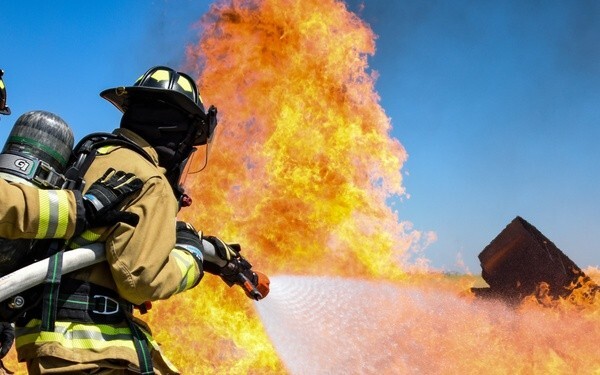
A firefighter is a perpetual student. The moments between calls are filled with training to maintain and sharpen our skills. Physical fitness is a cornerstone of this profession. The job is physically demanding, requiring strength, endurance, and agility. We spend time in the station gym, ensuring our bodies can handle the strain of carrying heavy equipment, climbing ladders, and working in extreme conditions for extended periods.
Skills drills are a daily routine. We practice everything from throwing ladders and advancing hoselines to tying rescue knots and performing simulated victim searches. We run through practice scenarios, recreating challenging incidents to test our decision-making and teamwork. This constant repetition builds muscle memory, allowing us to perform complex tasks flawlessly under pressure.
Continuing education is also a significant part of our job. We study building construction, fire behavior, hazardous materials, and advanced medical protocols. The world is constantly changing, and we must adapt our knowledge and tactics to meet new challenges. This commitment to training is a commitment to our own safety and to the safety of the public we protect.
Seasonal Considerations for Firefighters
The job of a firefighter changes with the seasons, each bringing its own unique set of challenges and call types. Our preparation and response must adapt accordingly.
Summer: The heat brings a surge in wildfire risks, especially in drier climates. These incidents often require long, grueling operations in brutal temperatures, demanding peak physical conditioning. We also see a higher volume of medical calls related to heat exhaustion, dehydration, and swimming accidents. Major holidays like the Fourth of July increase the risk of fires from fireworks, requiring heightened vigilance.
Fall: As vegetation dries out, the risk of brush fires remains high. This is also a common time for controlled burns, which we monitor closely. With the days getting shorter and wetter weather returning, we often respond to more vehicle accidents, particularly as rain falls on roads coated with oil after a long dry spell.
Winter: The cold weather drives people indoors, leading to an increase in structure fires from faulty heating systems, fireplaces, and holiday decorations. Responding in winter presents its own logistical hurdles. Icy roads can slow our response times, and we face the possibility of frozen hydrants, which requires us to have alternative water supply plans ready.
Spring: Heavy rains and melting snow can lead to flooding, and our crews are trained in swift-water rescue techniques. The return of warmer weather brings more people outdoors, but it also brings seasonal allergies, which can affect our crews and increase medical calls from the public.
Throughout the year, our equipment and training are adjusted to meet these seasonal demands. From specialized wildland gear in the summer to cold-weather operational protocols in the winter, readiness means anticipating the specific risks of the season.
The Human Side of the Job
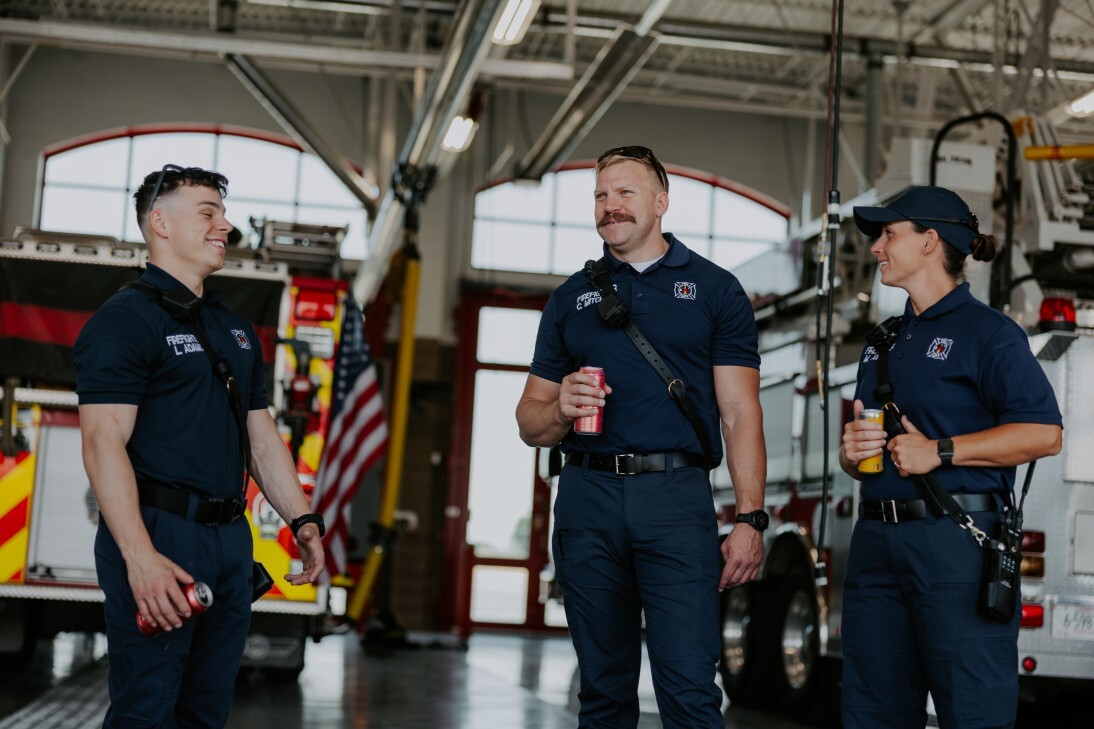
What holds a fire crew together is the profound sense of brotherhood and sisterhood. We live together for 24-hour shifts, rely on each other in life-or-death situations, and support each other through the emotional aftermath. This bond is forged in shared experience and absolute trust. We celebrate personal milestones together and provide a shoulder to lean on during difficult times. This family is the emotional support system that makes the job sustainable.
The emotional weight of challenging calls is undeniable. We see people on the worst days of their lives. While we are trained to remain professional and focused on the scene, the images and emotions can linger. Debriefing after a tough call is crucial. Talking through the incident with the crew helps us process what happened and support one another.
Our role also extends beyond emergency response. We are a visible part of the community. We engage in public education, visiting schools to teach fire safety, installing smoke detectors for elderly residents, and participating in community events. These positive interactions are rewarding and help build trust between the department and the people we serve. It’s a reminder that our job is not just about responding to emergencies, but also about preventing them.
Night Shift Realities
As day turns to night, the rhythm of the firehouse changes, but the state of readiness does not. The hours between midnight and dawn are a unique challenge. We try to rest, but it's a light sleep, always with one ear open for the sound of the tones. Being woken from a deep sleep to full operational readiness in seconds is physically and mentally taxing.
Late-night incidents often carry a different energy. The world is quiet, and our response can feel more isolated. Fatigue becomes a significant factor to manage. We rely on our training, our crew, and sheer willpower to perform at the highest level, regardless of the hour. Operating heavy machinery or making critical decisions when you are sleep-deprived is a skill honed over years.
Ending the Shift
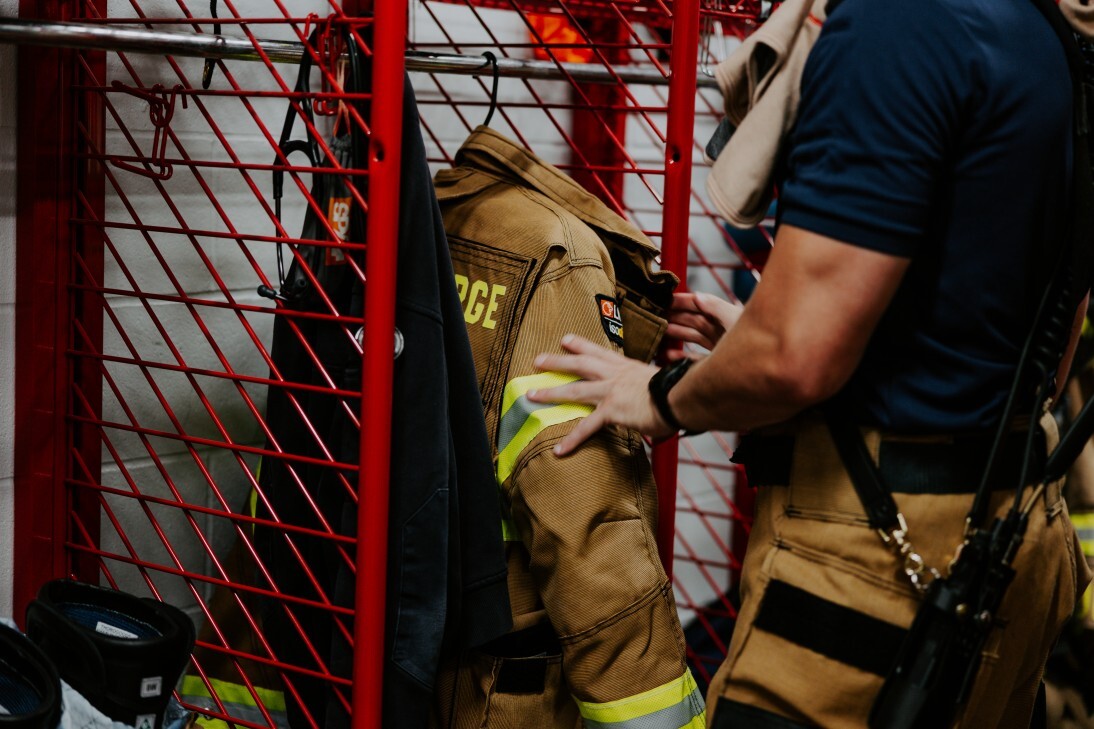
As the 24-hour shift draws to a close, the process of handing over to the next crew begins. We conduct a thorough debriefing, passing on all relevant information just as the previous shift did for us. The apparatus is given a final cleaning and check, ensuring it is 100% ready for the incoming crew. Our duty is to leave the station and the equipment in a better condition than we found it.
Transitioning from the high-stakes environment of the firehouse to home life can be a challenge. Decompressing is a personal process. For me, it involves a few moments of quiet reflection on the drive home, mentally closing the chapter on the shift. Reconnecting with family and stepping back into the role of a spouse or parent helps ground me. Leaving the weight of the job at the station door is a skill that is just as important as any we learn in training.
Why We Do It
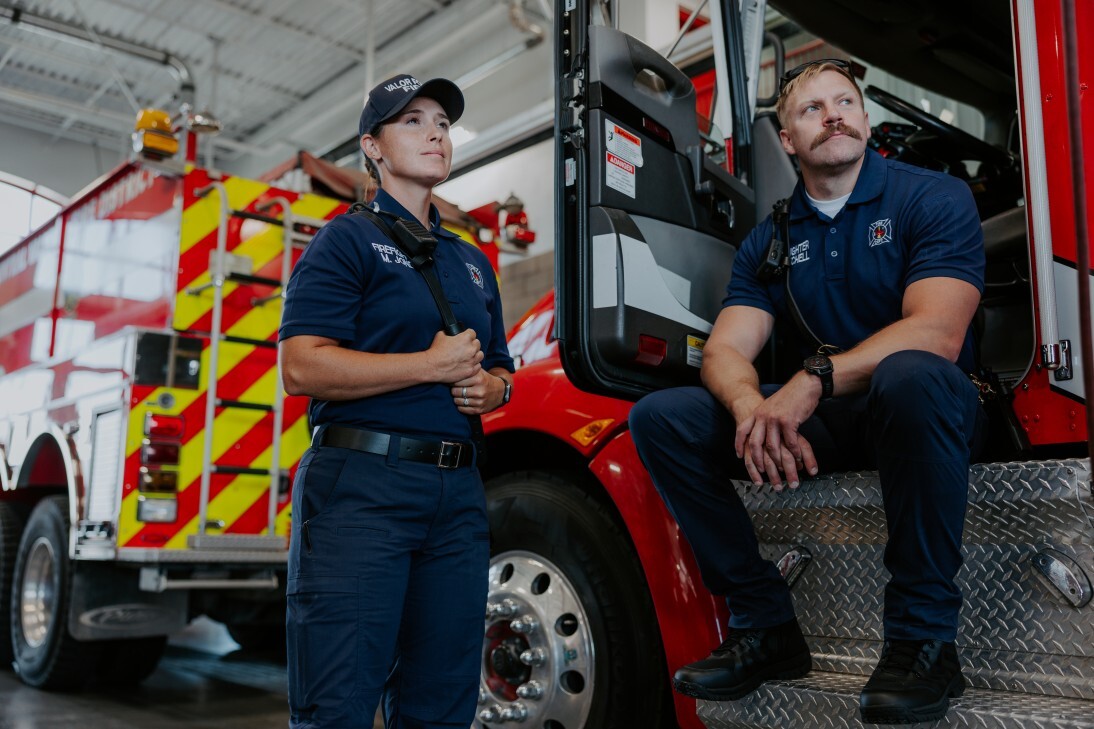
Why endure the sleepless nights, the physical toll, and the emotional burden? The answer lies in the profound sense of purpose that comes with this profession. We do it for the moment a child is pulled from a burning building, for the sigh of relief from an accident victim who knows help has arrived, and for the grateful handshake from a homeowner whose property we were able to save.
The work matters because we stand in the gap for people during their most vulnerable moments. The rewards are not found in paychecks or accolades, but in the knowledge that we made a difference. Being a firefighter is a commitment to service, a dedication to our community, and an unwavering belief in the importance of helping others. This is more than a job. It’s a calling and an honor to answer it.